As part of the Lim Chu Kang masterplan, Greengrounds defined how large-scale food production could function within a highly constrained environment. Our work established the system logic and production assumptions that informed broader planning and infrastructure decisions.

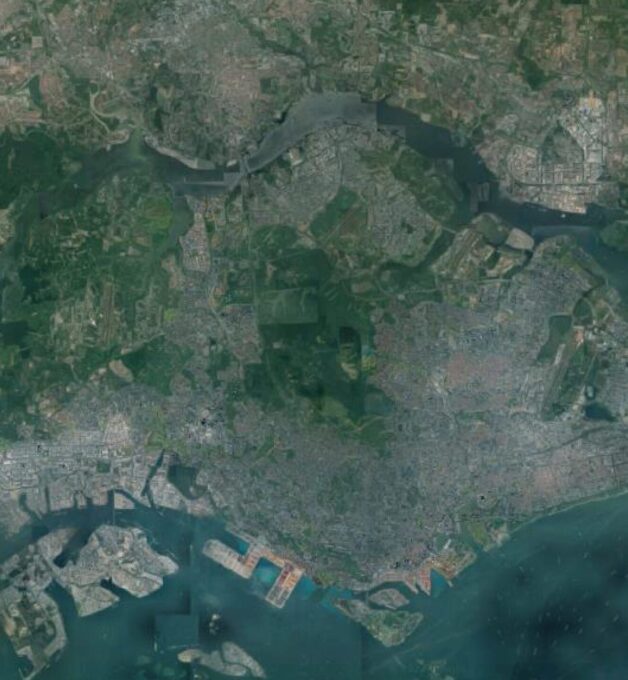
Case: Singapore (Lim Chu Kang)
Singapore set aside a large area of Lim Chu Kang for future food production, asking a fundamental question: what role can local production play in resilience within one of the world’s most land-constrained environments?
The ambition was not simply to allocate land to farming, but to understand how a food production hub could be developed in a way that is efficient, integrated and suited to this context – helping define what an agricultural identity might look like in Singapore.
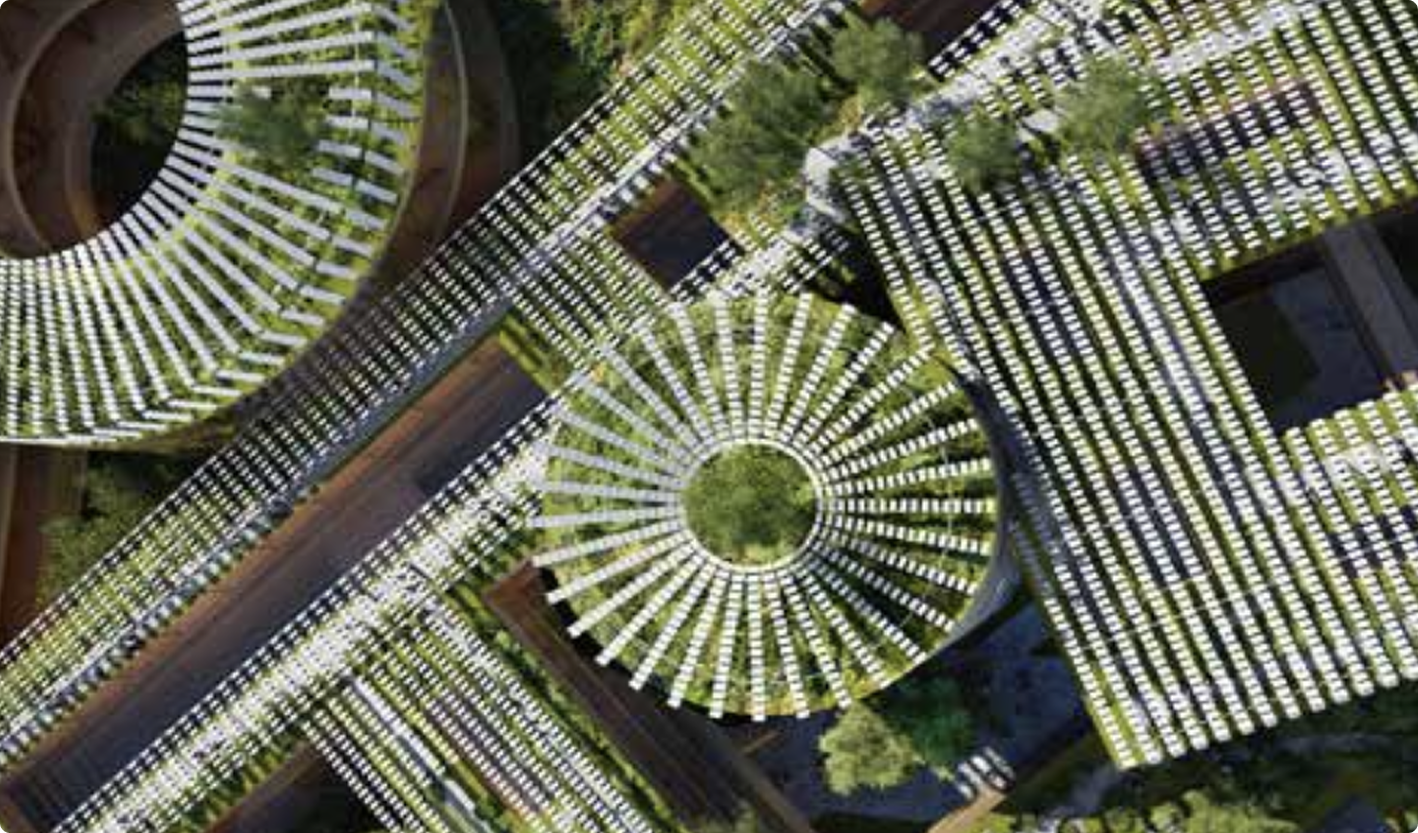
In a dense, highly optimized city, food production competes with many other land uses. Therefore, increasing local production requires more than technology or higher yields. It brings broader questions into focus: how land is used, how infrastructure is organized, how resources are managed, and how production connects to logistics, processing and distribution.
Addressing this challenge meant understanding food production as part of a wider system, rather than as a collection of individual farms. This involved exploring different production models, their spatial implications and their contribution to overall output, as well as how they connect to shared infrastructure and operational conditions.
As part of the multidisciplinary team working on the Lim Chu Kang masterplan, Greengrounds contributed the agri-food system logic underpinning the wider plan. We developed farm typologies, explored production scenarios and assessed how different configurations would shape output, land use and system requirements. This provided the production assumptions needed to inform decisions around infrastructure, spatial planning and long-term development.
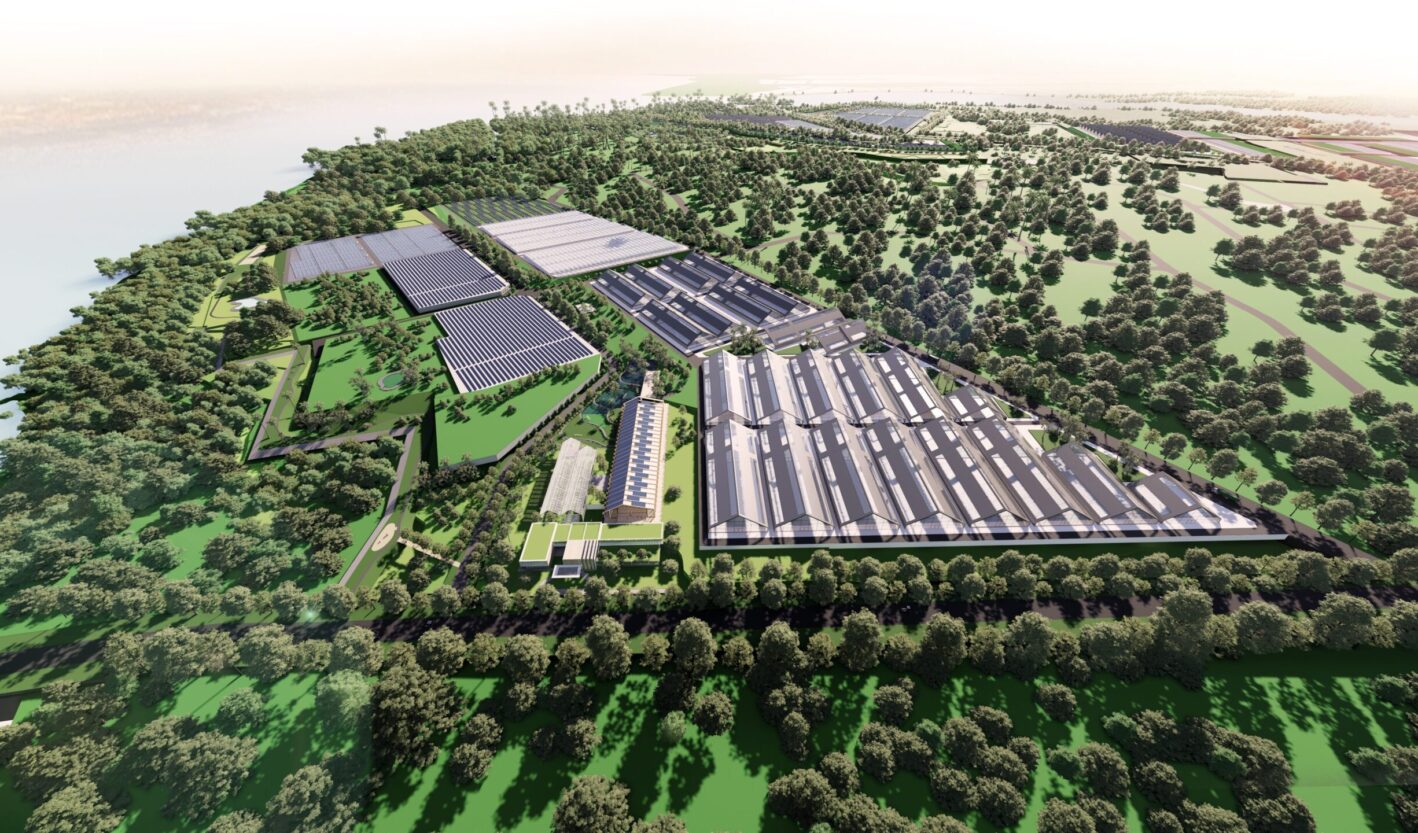
The project offered a clearer view of what large-scale food production could realistically look like in a land-scarce environment. It also established a structured basis for wider planning decisions – clarifying how production models influence land use, infrastructure and system performance, and laying a foundation for the broader masterplan.
The key is to understand food production as part of a wider system, not as a collection of individual farms.