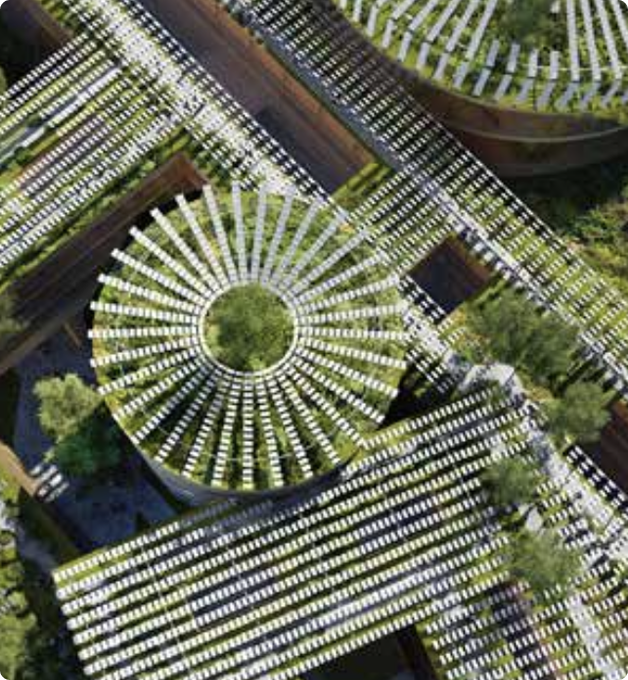
Reimagining a former industrial site near Lisbon as a productive landscape. Greengrounds defined how food production can shape land use, identity and economic activity, embedding it within the redevelopment to create long-term value.
Case: Seixal (Portugal)
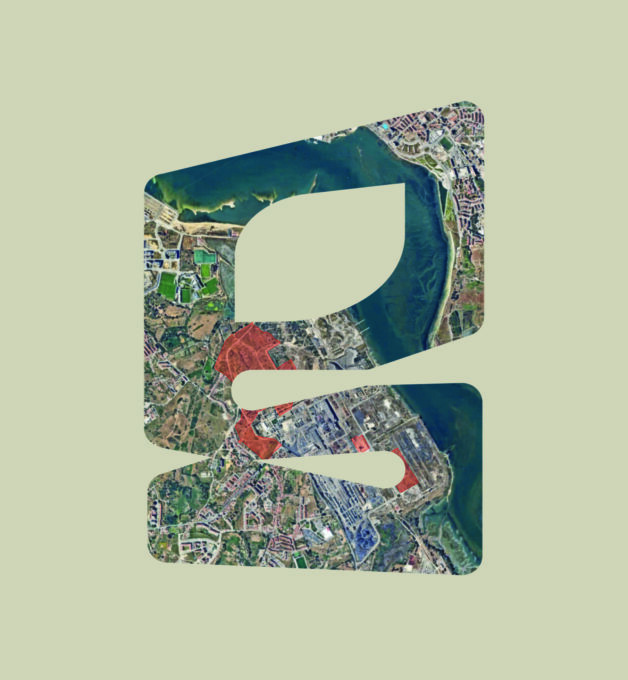
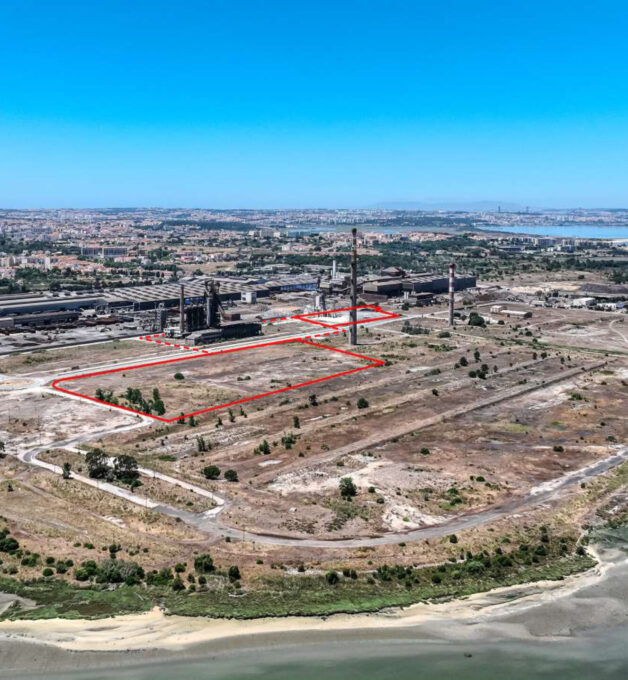
Seixal offered the opportunity to rethink a former industrial site poised for redevelopment. The question was how this area, just south of Lisbon, could become more than a conventional development zone – and how food and productive landscapes might help shape a new identity, purpose and long-term value.
Food is rarely treated as a structuring element in urban development. When it is included, it often remains symbolic or disconnected from the wider plan. The challenge was not simply to introduce food production, but to explore how it could actively shape land use, development logic and the way the area functions over time.
This meant connecting spatial development, food production and economic logic into a single, coherent concept – and understanding how these elements could reinforce one another. It also required early stakeholder engagement to test how such an approach could be supported and realized in practice.
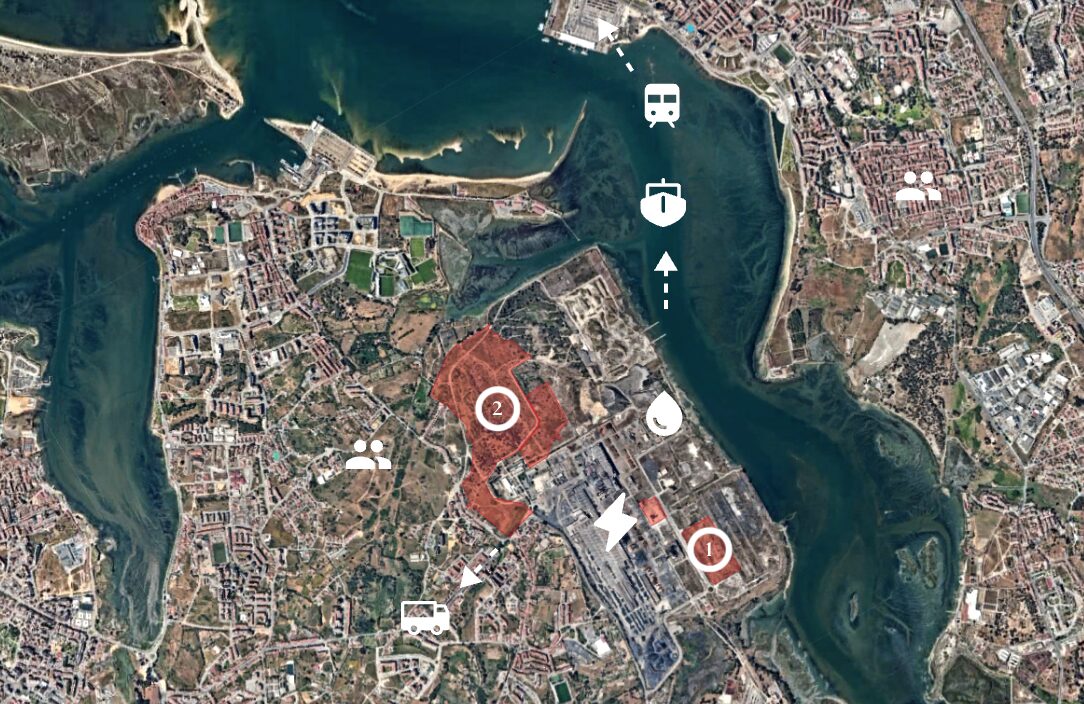
Greengrounds initiated and shaped the opportunity, identifying the site, developing the initial concept and engaging stakeholders to explore its potential. We defined how food production could be embedded within the redevelopment, translating spatial possibilities into a coherent strategy linking land use, productive landscapes and long-term value creation.
The project reframed how redevelopment can be approached, showing how food production can move beyond an add-on to become part of how a place is structured and valued. It set out a clear model for integrating productive landscapes into urban development, demonstrating how food can contribute to identity, use and economic potential.
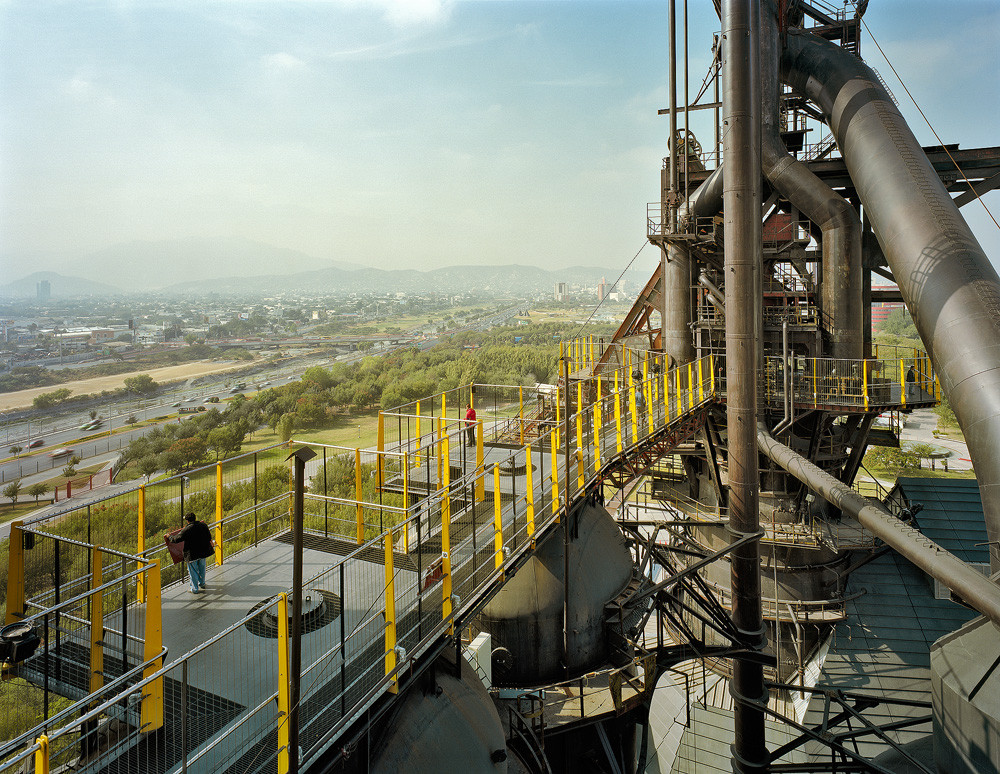
Food production was no longer an add-on, but a force that shaped the place itself.

Ready to design viable food systems for the future?